
Flood Testing Failure at Research Facility
When Flood Testing Causes More Harm Than Good
A research facility project where traditional testing methods resulted in water intrusion, safety risks, and costly delays.
Project Overview
At a 200,000 square foot research facility, roofing system integrity was critical due to sensitive equipment and high power requirements within the building. Transformer units were located directly beneath the main roof, making leak detection accuracy essential.
Although the roof appeared visually sound, a flood test was selected to verify system performance.
The Challenge
Flood testing required damming sections of the roof, plugging drains, and introducing large volumes of water to the surface. While the method is traditionally used, it introduced significant risk given the building’s sensitive interior conditions.
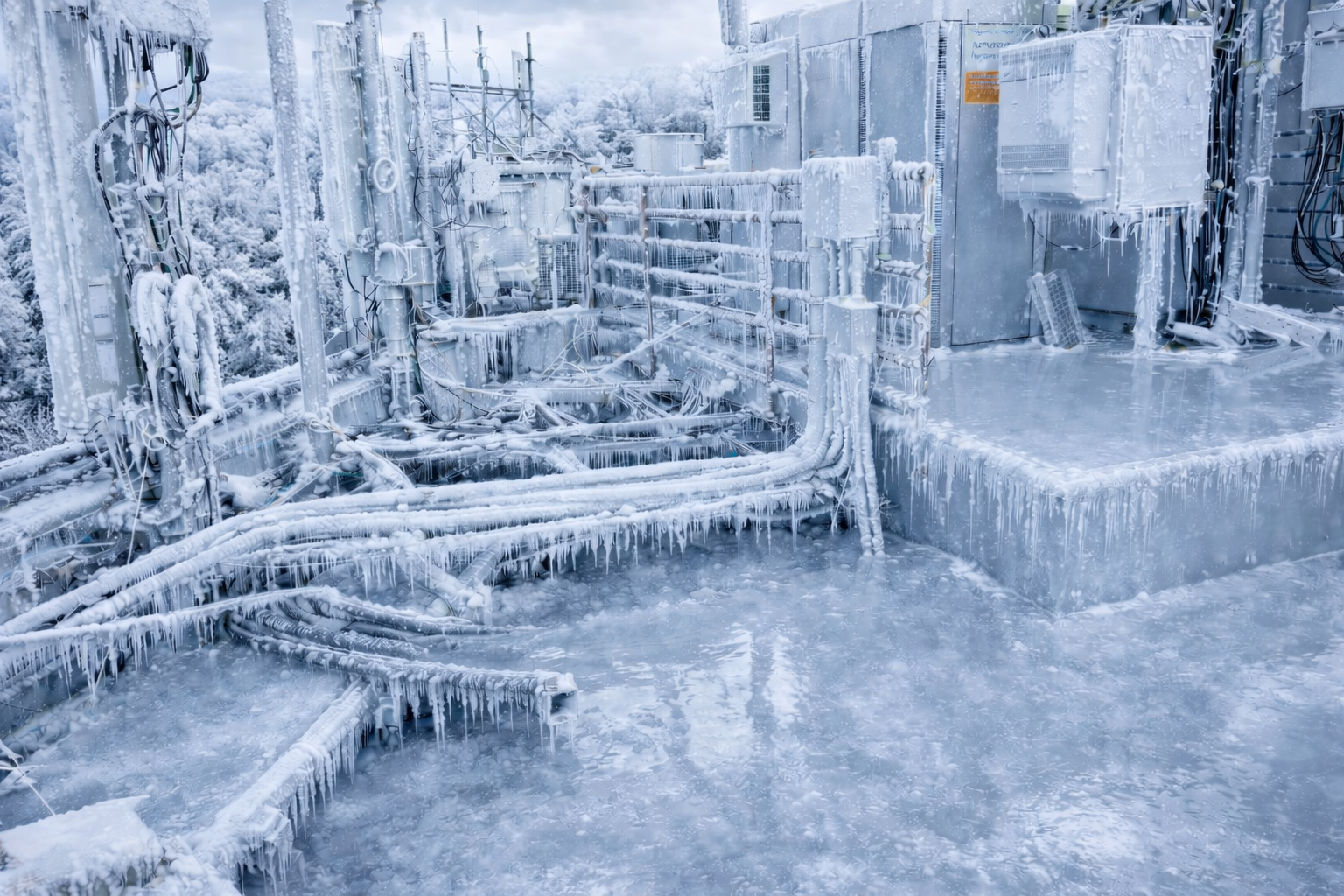
What happened
During testing, a massive amount of water infiltrated the building envelope, reaching areas housing critical infrastructure. This resulted in:
Immediate work stoppage
Potential safety hazards
Risk of damage to electrical systems
Significant project delays
The Findings
Roof Analyzers was brought in to perform diagnostic testing and identified:
Numerous membrane penetrations not visible to the naked eye
Extensive moisture intrusion within the roofing system
Areas where the membrane had already been compromised
Why This Matters
This project demonstrated the limitations and risks of flood testing:
Flood testing can introduce water into compromised systems
Visual inspection alone is not sufficient
Sensitive facilities require non-invasive testing methods
Early detection prevents costly damage and delays
Project Outcome
Through advanced diagnostic testing, the source of the failures was accurately identified, allowing for targeted repairs and restoration of system integrity. The project reinforced the importance of using precise, non-invasive testing methods in high-risk environments.
Key Takeaways
Flood testing can create unnecessary risk
Hidden defects can exist even when surfaces appear sound
Electronic testing provides safer, more accurate results
Early detection protects both timeline and infrastructure
Protect Your Project from Costly Delays
Request diagnostic testing to ensure your roofing system performs as intended.